
Week 9 Reflection
Week 9
Current Project Status: Te Whiwhinga Phase (A closer look at the tohu, Te Rawenga is in sight, a lot of work to be done)
I will use the Integrated Reflective Cycle framework (Bassot, 2013) to structure my reflection this week.
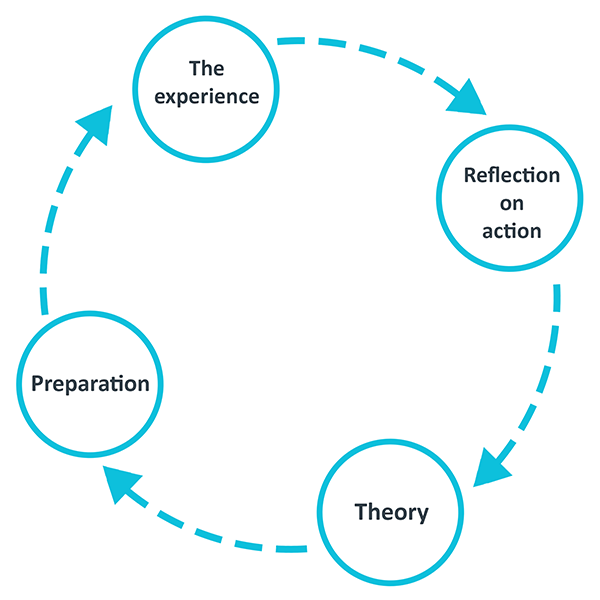
[Figure 1: Bassot’s (2013) Integrated Reflective Cycle model]
The Experience
This week I worked on my physical prototype. I got sawdust from the architecture workshop, sifted it onto the cardboard base and airbrushed the model in various shades of green to resemble grass (Figure 2).
Using the power of 10+ placemaking concept for public spaces, I mapped out the activities available in my space (Figure 3). The Power of 10+ is a placemaking concept developed by Project for Public Spaces to improve cities by focusing on human experiences. Places thrive when there are 10 or more reasons for people to visit, such as art, food, music, or social interaction. The concept encourages communities to create layered, unique activities that reflect local culture and history.
Mapping out the power of 10 + was a really interesting experience that helped me understand how users interact with the space, which will help me when I come to add people to my hero shots and complete the User Journey Map from placemaking Aotearoa.

[Figure 2: Model making process, taken from my Miro board]
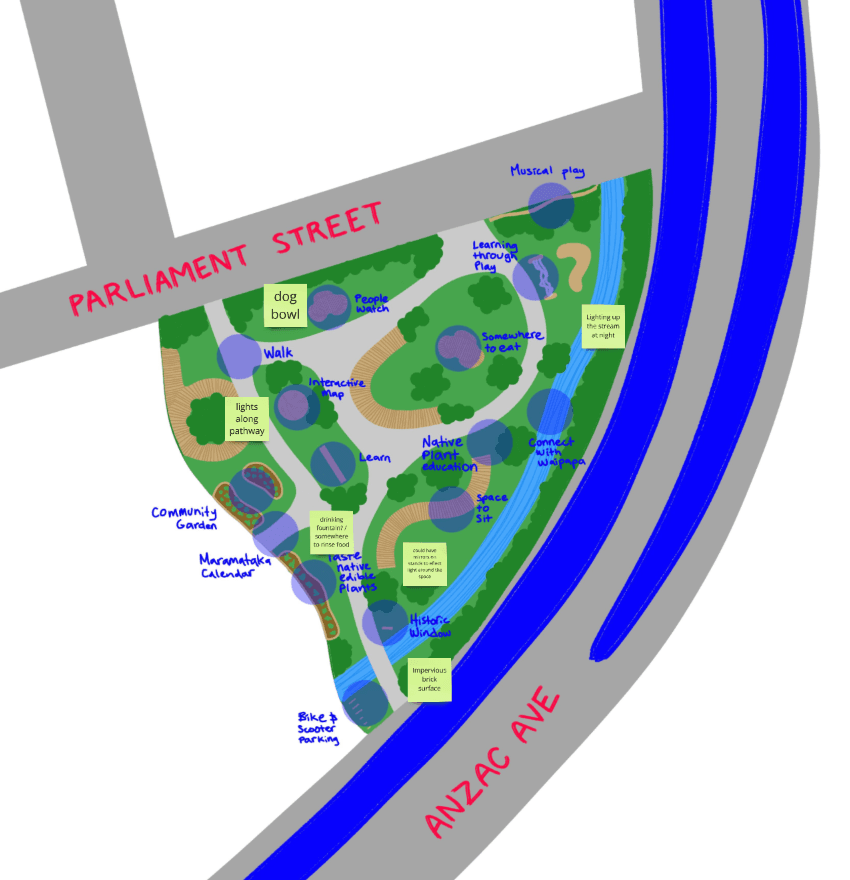
[Figure 3: Mapping the Power of 10+, taken from my Miro board]
Reflection on action
I was moving house this week (Figure 4), so I didn’t get as much work done as I had hoped, especially because I had a big assignment due for another class that I was working on in between moving.
I realised part way through making the grass of my landscape that finalising the layout of all the elements and making a start on the poster hero shots content was more important. I was really excited to make the physical space, but found myself skipping ahead rather than finishing what was due next.
I’ve felt really behind this week because I haven’t had much time to dedicate to the project, but I think the progress I have managed to make has been valuable and set me up for a good home stretch in the coming weeks.
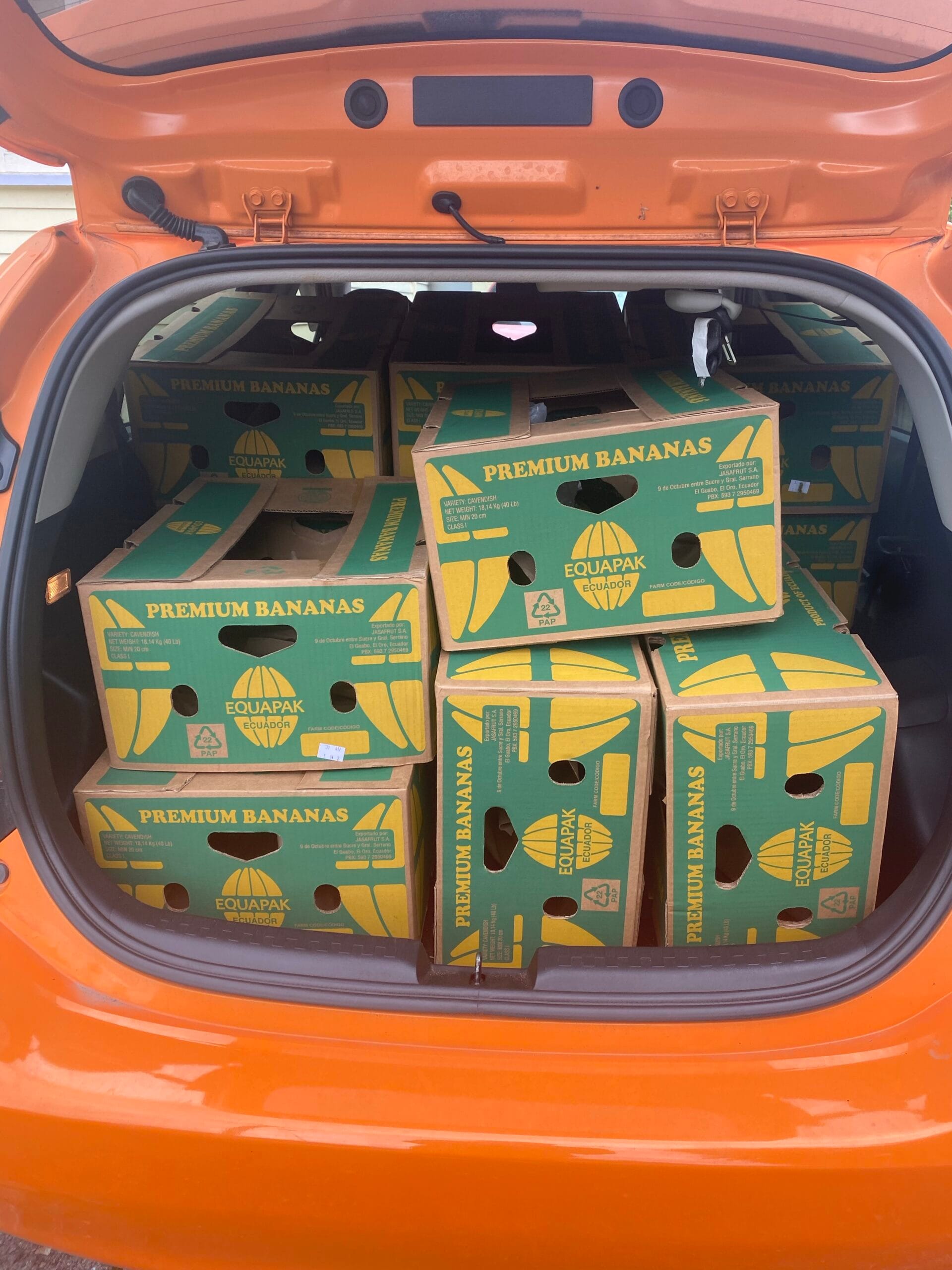
[Figure 4: Moving boxes, taken from my Miro board]
Theory
In 1970, William Whyte set up the street life project, which was a research group investigating social dynamics in different settings around the city. This established the foundation for a movement aimed at transforming the approach to designing and planning public spaces (Whyte, 1980). Through his research team, Whyte found what makes public spaces good for people:
- Food
- Street Access
- Sunshine
- Water
- Seating
- Trees
- Triangulation
Whytes findings, as well as his methods was really informative to me as a designer. I think a similar research method would be beneficial for my project, to observe behaviour. This methods included mapping flows, counting people, mapping the space, interviews, time lapse cameras and direct behaviour observations. I realise that I have already completed a number of these research methods, unknowingly. Afterall, the most effective methods are often the simplest.
The same theory goes for making good public spaces. It really is as simple as renaturing our urban environments and giving people a space to relax, play, eat and live.
Preparation
In the future I will stick to pre-planned timelines which are there to keep me on track and not jump ahead to more exciting parts of the project. I will refer to project timelines more frequently and make sure specified tasks have been completed in order.
References:
Bassot, B. (2013). The Reflective Journal. Basingstoke: Palgrave
Whyte, W. H. (1980). The social life of small urban spaces. Project for Public Spaces. https://streetlifestudies.wordpress.com/wp-content/uploads/2017/06/1980_whyte_small_spaces_book.pdf