
Week 7 Reflection
Week 7
Current Project Status: Te Whainga Phase (Digging deeper, researching, exploring tohu)
I will use the Integrated Reflective Cycle framework (Bassot, 2013) to structure my reflection this week.
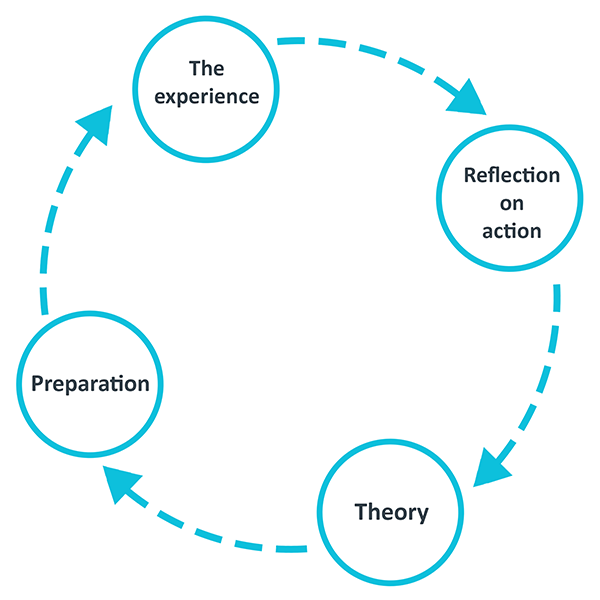
[Figure 1: Bassot’s (2013) Integrated Reflective Cycle model]
The Experience
This week I prepared my presentation for the stakeholders and consolidated my information into 2 minutes. I spent some time creating a low fidelity physical prototype of the space to show the stakeholders. I was also focused on completing my draft report for Design 302, which ended up being really helpful for 301, as it reminded me of the overarching goals of my project.
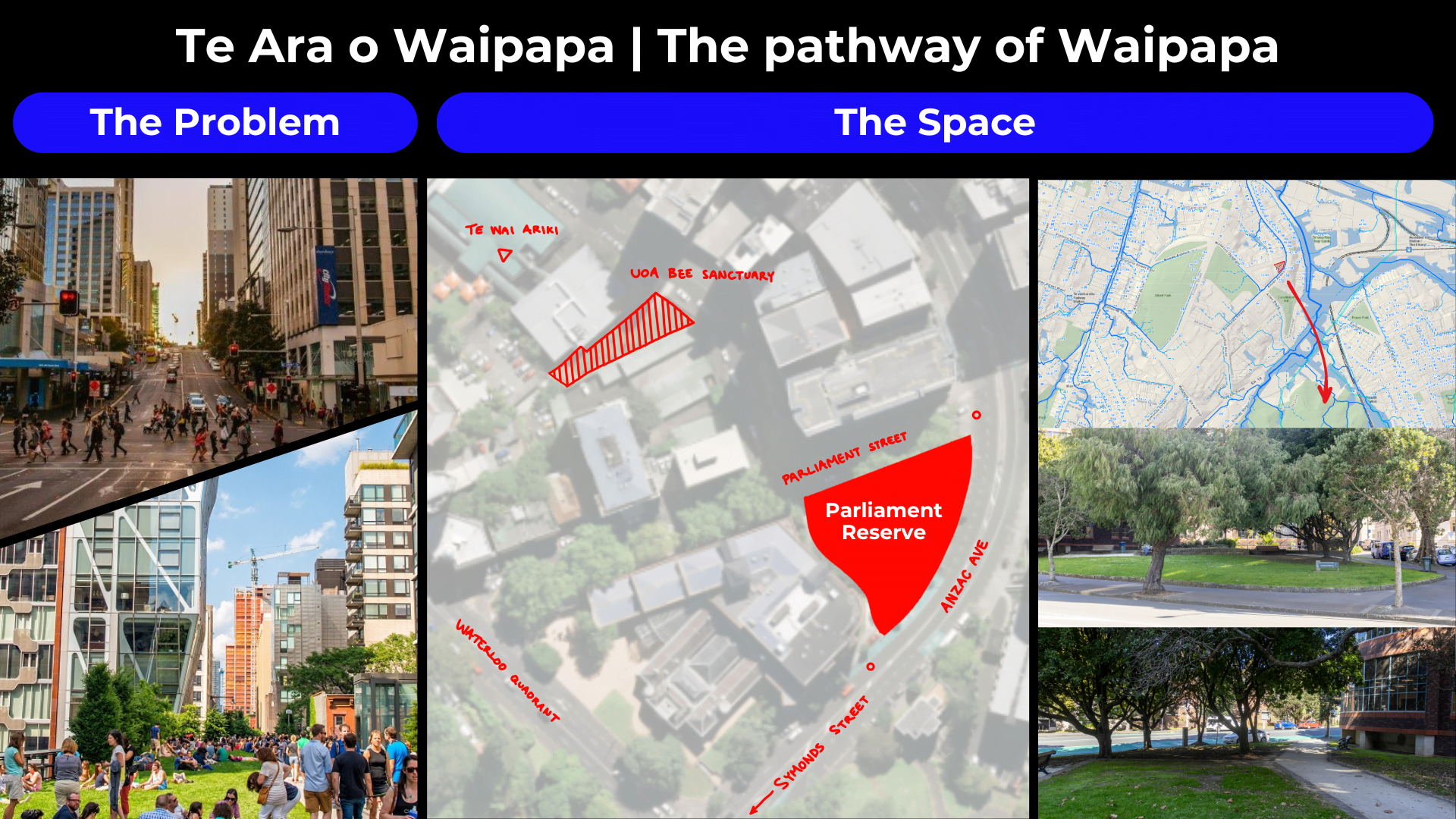
[Figure 2: Presentation Slide 1]
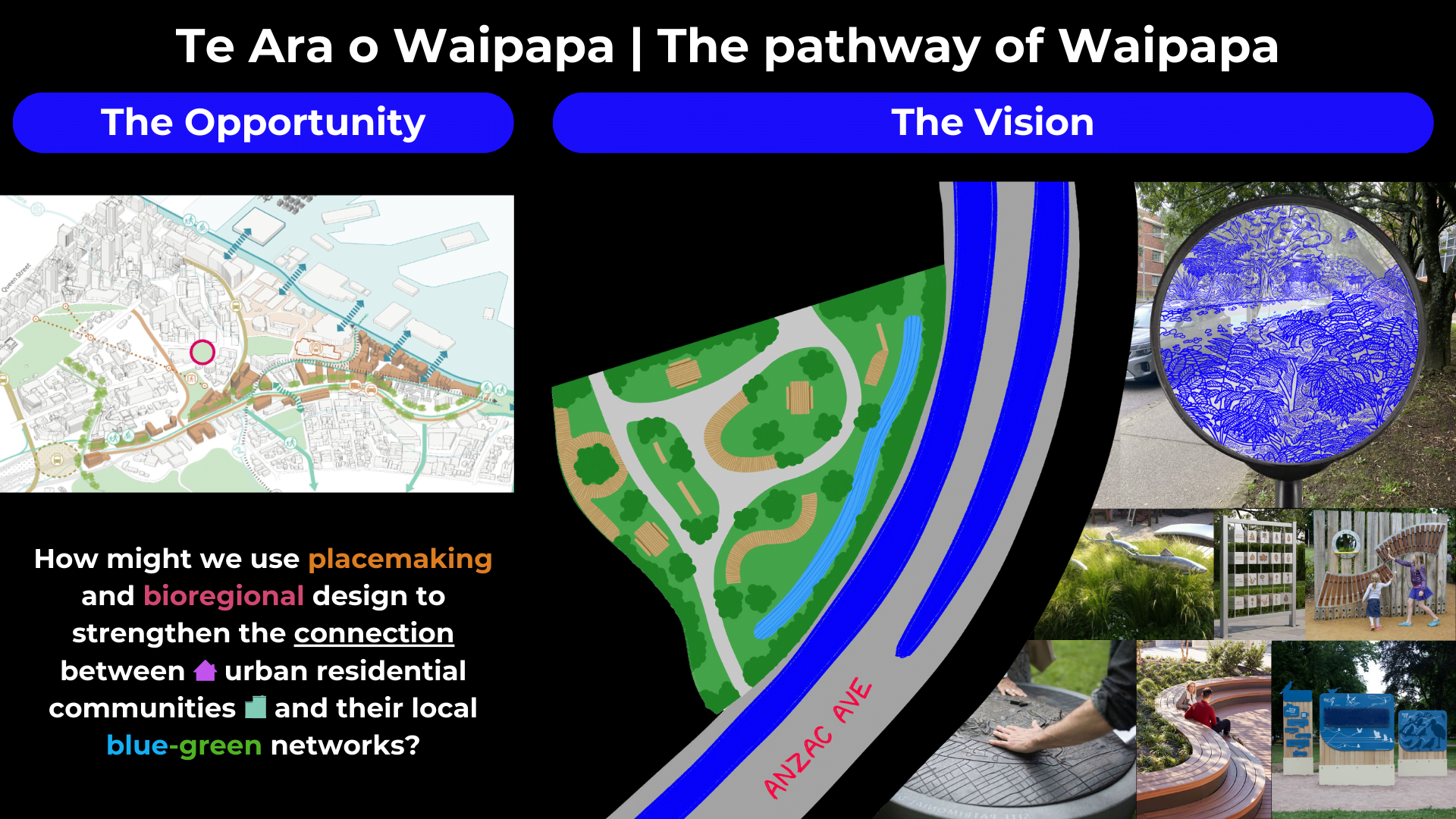
[Figure 3: Presentation Slide 2]
I explained the overarching problem that I am focusing on, which is the growing disconnect between urban communities and the natural environment. I then introduced everyone to my chosen space, Parliament Reserve and the surrounding relevant infrastructure. I explained the opportunity for a blue-green corridor that enhances Auckland’s resilience to climate change effects such as extreme rainfall, while also strengthening the social and cultural bonds between communities and their environment. I then spent some time articulating the vision for the space, which includes native planting, interactive signage highlighting the area’s cultural and ecological history, and a water feature that mimics the original flow of the Waipapa River.
Reflection on action
I was trying to clearly communicate my project to the stakeholders to get good, specific feedback. I created the landscape model because I felt it would help them understand the space better and how different elements interact in relation to one another. The presentation went well, and it was nice to see everyone’s projects and how much progress we had all made since the last big presentation. Overall, the stakeholders didn’t really have any nuanced feedback for me, which is good because it means there was nothing glaringly wrong with my project, but it also made me question whether I had properly explained it. I think I see so many opportunities for improvement in my project that I was a little bit taken aback that they didn’t catch on to anything. This might have been because of the short time frame for feedback or that the presentation was too quick to really explain anything in depth, so they had to come from a surface level perspective.
Theory
I have learnt that any feedback is good feedback, regardless of if it is positive or negative, as it stimulates further research into a specific area, or confirms successful decisions. Pulling from different perspectives and backgrounds helps validate the project and ensure crucial considerations aren’t being missed.
There are lots of different types of feedback that vary in their effectiveness from person to person. The type of feedback that I received was correctness focused, which is effective as it encourages building on success through positive reinforcement (Hattie & Timperley, 2007).
I have learnt that this type of feedback works well for me, as it still pushes me to explore suggestions, while also digging deeper into successful parts of the project. I have learnt to be open to any response when getting feedback. I went into the feedback session with an idea of what I would be questioned on, but I realise now that you can’t really know any of that for sure.
Overall, I have learnt to value feedback in all forms and learn as much as I can from the experience.
Preparation
Next time I will go into feedback sessions with no expectations in mind, and see where the consultations take me. For future presentations, I think the way I explained my project worked really effectively and the feedback I got from my peers was that it was quite clear what my project was and my vision for it in the future. I will likely use a similar presentation narrative in the future for this project, as well as in others. Explaining the problem/backstory, the place, the opportunity and vision help touch on all the key aspects of the project, and I think a similar model works well generally. In future presentations I will spend some time practising articulating my project without the use of notes so that I can present without reading from a script. This is something that we have been encouraged to do, but I often leave presentation prep too late to have enough time to practise.
References:
Bassot, B. (2013). The Reflective Journal. Basingstoke: Palgrave
Hattie, J., & Timperley, H. (2007). The power of feedback. Review of educational research, 77(1), 81-112.