
Week 10 Reflection
Week 10
Current Project Status: Te Whiwhinga Phase (A closer look at the tohu, Te Rawenga is in sight, a lot of work to be done)
I will use the Integrated Reflective Cycle framework (Bassot, 2013) to structure my reflection this week.
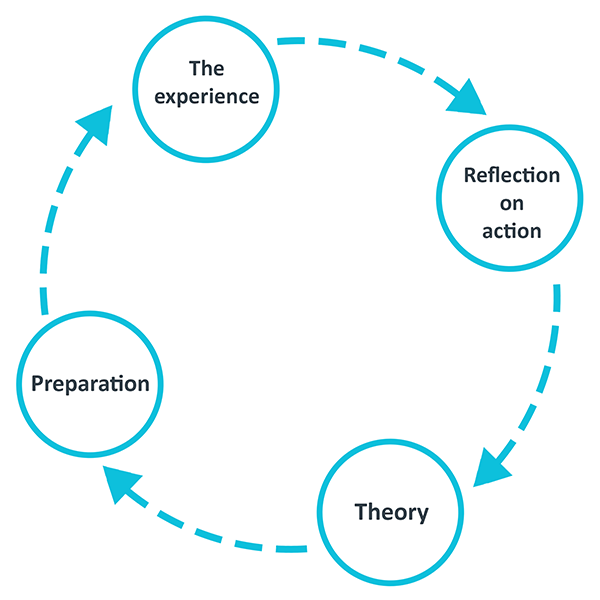
[Figure 1: Bassot’s (2013) Integrated Reflective Cycle model]
The Experience
This week I worked on drafting and finalising my poster to get it ready to print. I made a moodboard for inspiration (Figure 2). Getting the perspectives of my drawings right was a bit difficult, but I found that referencing the models of seating that I had made before helped figure out the right angles. I was able to take photos of my landscape model in the same perspective as the hero shots and use that as a guideline for how the pathways would show. I think in the end this made it look really good.
For the map, Used the Auckland Council unitary Plan (Figure 3), Geo Mapping of the Waipapa river, and the City Center Master Plan to feed into one final map that contains all of the relevant details of my project.

[Figure 2: Hero Shot Mood Board, taken from my Miro board]
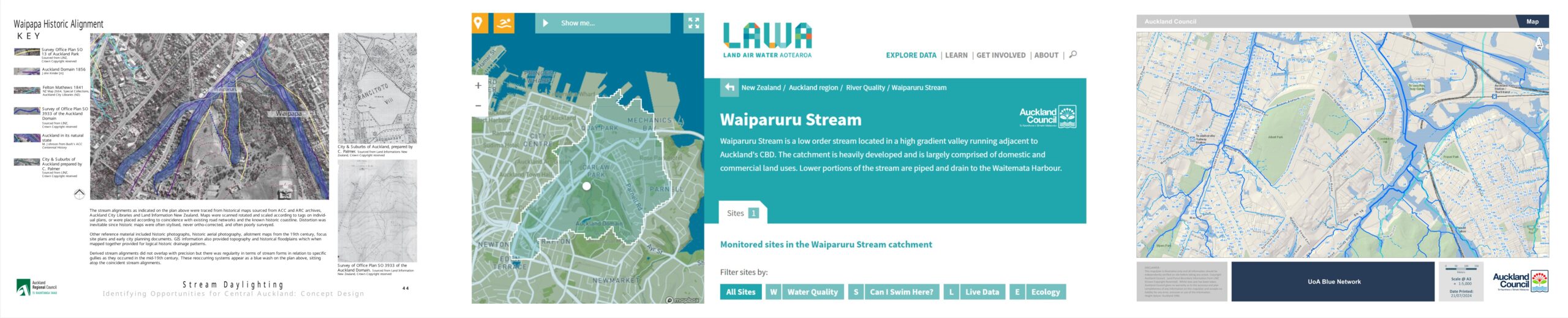
[Figure 3: Mapping the Waipapa Stream, taken from my Miro board]
Reflection on action
I felt a bit apprehensive of where to start with creating my hero shots. Since my design is a space rather than a product, there are a lot more details to show, and the user interaction with the design is really important. I found that after I had developed a plan for what to include in the hero shots, it was easier to decide on a style to represent them in.
Theory
Having a consistent design language across elements of a project
While creating my hero shots I was thinking about having a consistent design language, and the same theory goes for consistency within a design project outcomes.
Don Norman, in The Design of Everyday Things (2013) discusses how good design is consistent. If the design language is aligned across a project, including the visual cues, layout and materials then the system flows smoothly. Especially when it comes to wayfinding signage, having a consistent design language makes this much more obvious to the user, eliminating the need for over explanations, and allowing more a streamlined design.
Preparation
In the future, I would start thinking about her shots sooner, so that I have time to add final details and double check things are how I want them. I think having more of the design process completed when making the hero shots would have made the process a lot easier, especially when it came to getting the angles of the seating right.If I were to do this stage of the design process again, I would aim to have the model finished before making the hero shots, so that it can be used as a reference for the size and shape of structures.
References:
Bassot, B. (2013). The Reflective Journal. Basingstoke: Palgrave
Norman, D. A. (2013). The design of everyday things (Revised and expanded ed.). Basic Books.