
Week 5 Reflection
Week 5 – Cultural connections
Current Project Status: Te Kitenga Phase (Sighting tohu to project forward)
Date: 19th August 2024
I will use the Integrated Reflective Cycle framework (Bassot, 2013) to structure my reflection this week.
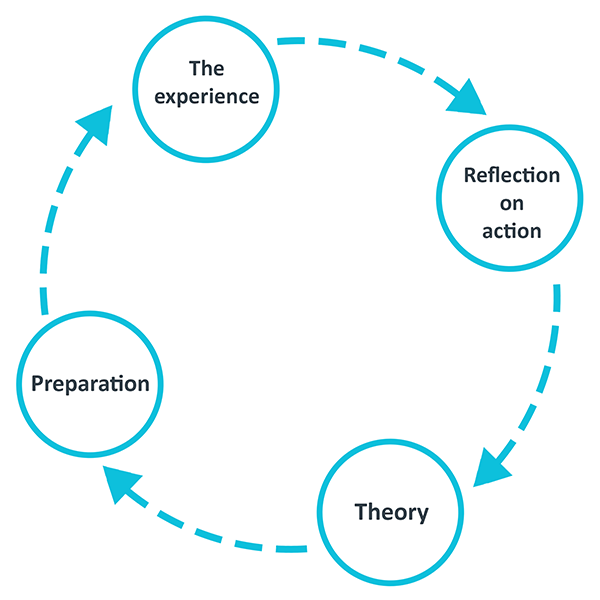
[Figure 1: Integrated Reflective Cycle framework]
The Experience
Starting off the week, I went to view my chosen location again, parliament reserve. I took high quality photos that could be used for hero shots later down the line (figure 2 below).
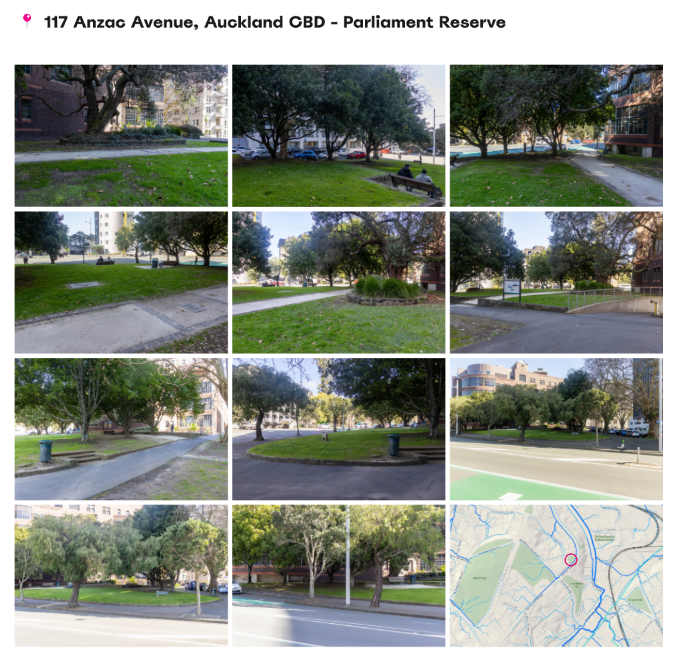
[Figure 2: Photographs of Parliament Reserve, my Miro board]
CI finished the Stakeholder characterisation process from the Design 4 Conservation toolkit (Baron, 2020) to help me understand who will expect what out of this project (figure 3 below). I selected human, non-human and organisational personas who would be affected by my project.
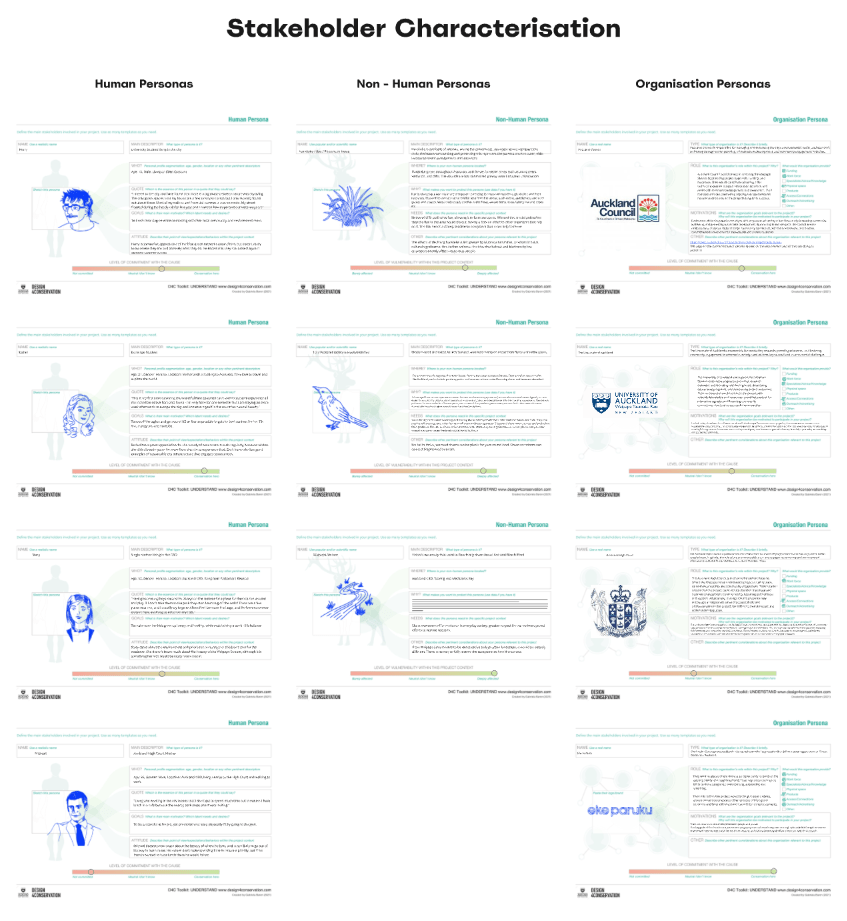
[Figure 3: Stakeholder Characterisation, my Miro board]
Next on the agenda was ideation of the different elements in the space. I made a moodboard for the types of interactive signage that I will explore, including windows into the past, and 3D map tables that demonstrate the effect of water on the topography of the landscape (figure 4 to the left). I also explored the concept of parklets, which were designed to accommodate the need for more vegetation and seating in public spaces (figure 5 to the right). I developed some initial ideation (figure 6 below) of signs that encourage interaction, and seating that encourage interaction with community, as I identified as key opportunities for the space earlier.
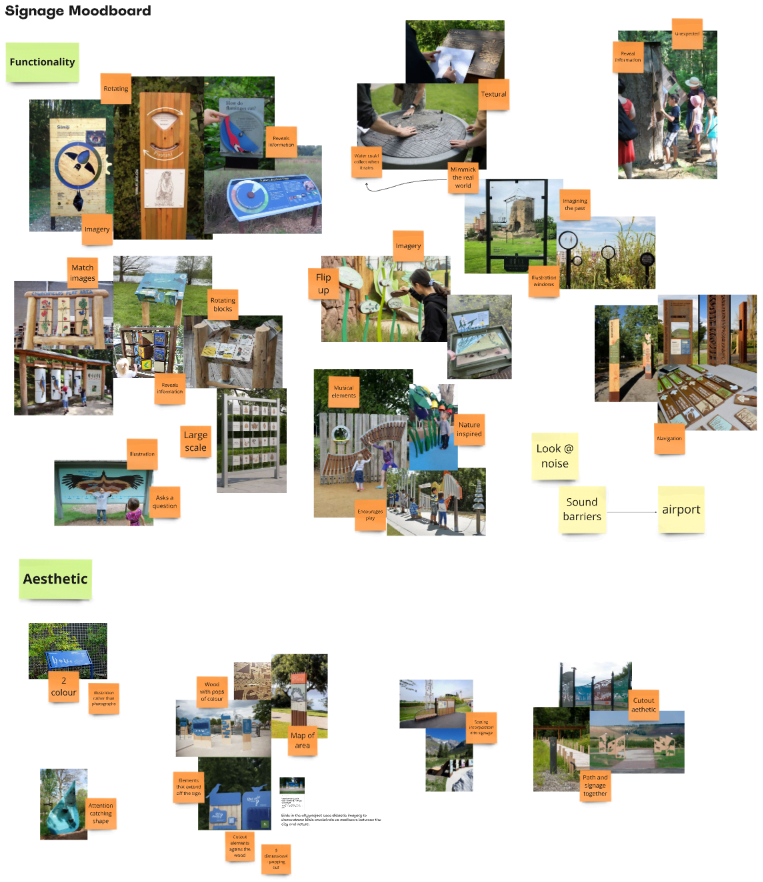
[Figure 4: Signage moodboard analysis, my Miro board]

[Figure 5: Parklet research, my Miro board
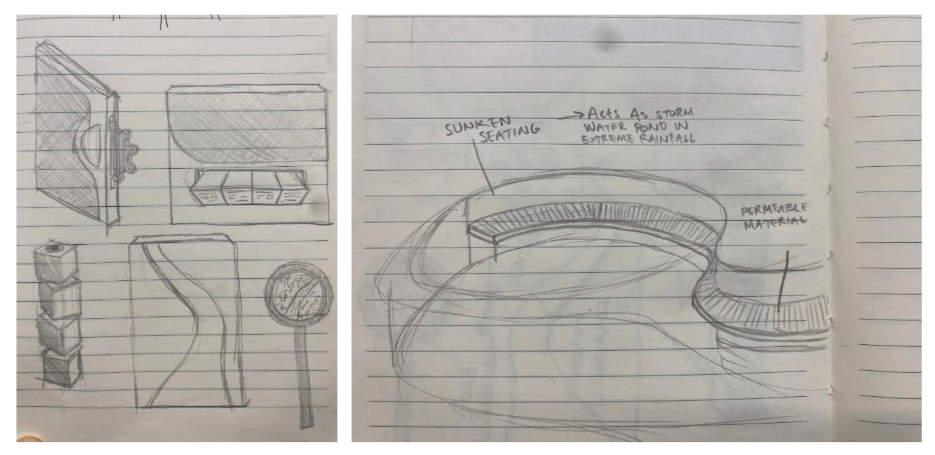
[Figure 6: Signage & Seating ideation, my Miro board]
I also watched a few Place Making Aotearoa talks (Placemaking Aotearoa, 2022) on partnerships with mana whenua, and urban play.
Reflection on action
From this week’s actions I felt really invigorated to move into the next Hautu Waka phase, which is Te Whainga, digging deeper, researching and exploring tohu. I went back and forth between the Hautu Waka phases as necessary, to develop meaningful research. Digging deeper into different elements of the project I was able to get a better contextual overview of the bigger picture.
Watching Marcus Bishops talk from Placemaking Aotearoa’s Ako Ako panel (Placemaking Aotearoa, 2022), I felt incredibly inspired. His insights into ensuring meaningful design where mana whenua consultation is not possible (figure 7 below) helped me overcome some of the hesitancy I have been feeling with this project. So much of the cultural history I am discovering comes from Māori researchers, however I know that actual consultation and codesign would be so much better and more informative. Because of the constraints of the course, I cannot practice codesign, but I can consider the kaitiaki principles that underpin culturally considered design.
Up until now, I have been acting under the assumption that secondhand research for reputable sources is enough cultural guidance. This made me feel a bit overwhelmed, because I do not want this project to be another mechanism for colonising spaces, and I recognise that wherever possible, mana whenua should be as involved as possible.
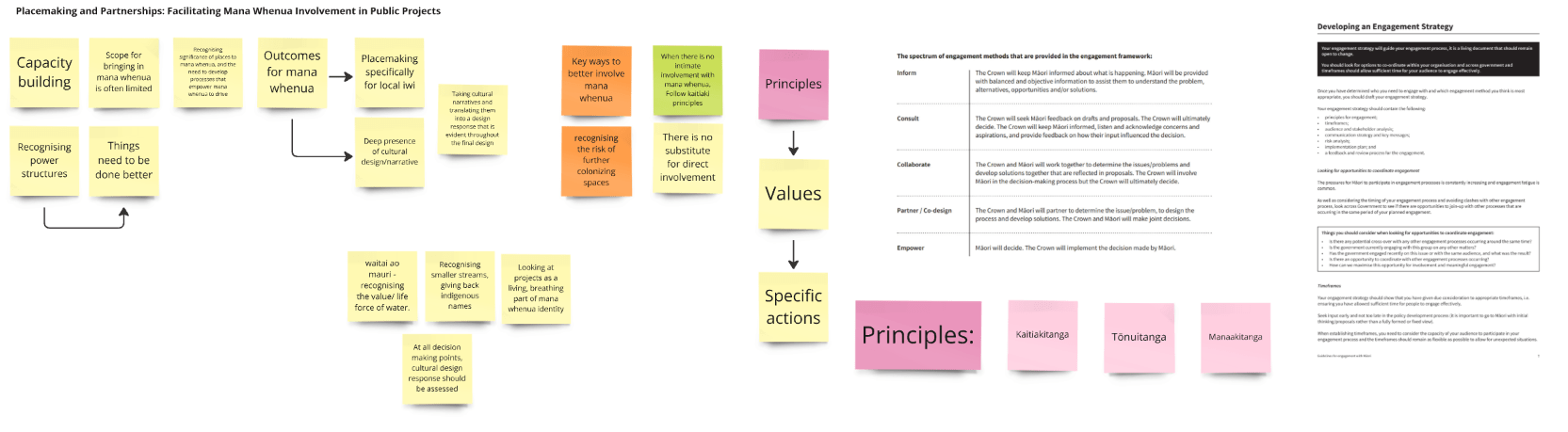
[Figure 7: Placemaking and Partnerships – Facilitating mana Whenua Involvement in public Spaces notes, my Miro board]
Theory
The insights gained from the ako ako talk (figure 7, above) helped me understand different engagement strategies and levels which will be useful going forward in my design career.
I have learnt that although the scope for bringing mana whenua onboard design projects is often limited, it is an important element of good design. The spectrum of engagement (figure 8 below) from Te Arawhiti (2018) shows different levels of Māori involvement. This is a similar idea to Arnsteins Ladder (Arnstein, 1969) which depicts degrees of citizen participation. Participation ranges from non-participatory to citizen empowerment. The most ideal forms of participation are partnership, delegating power and citizen control. These categories ensure genuine co-governance and collaboration, transferring power to citizens and enhancing their decision-making capabilities. Collaborative decision-making processes at these levels can lead to more effective and sustainable outcomes, leveraging local knowledge and promoting social capital.
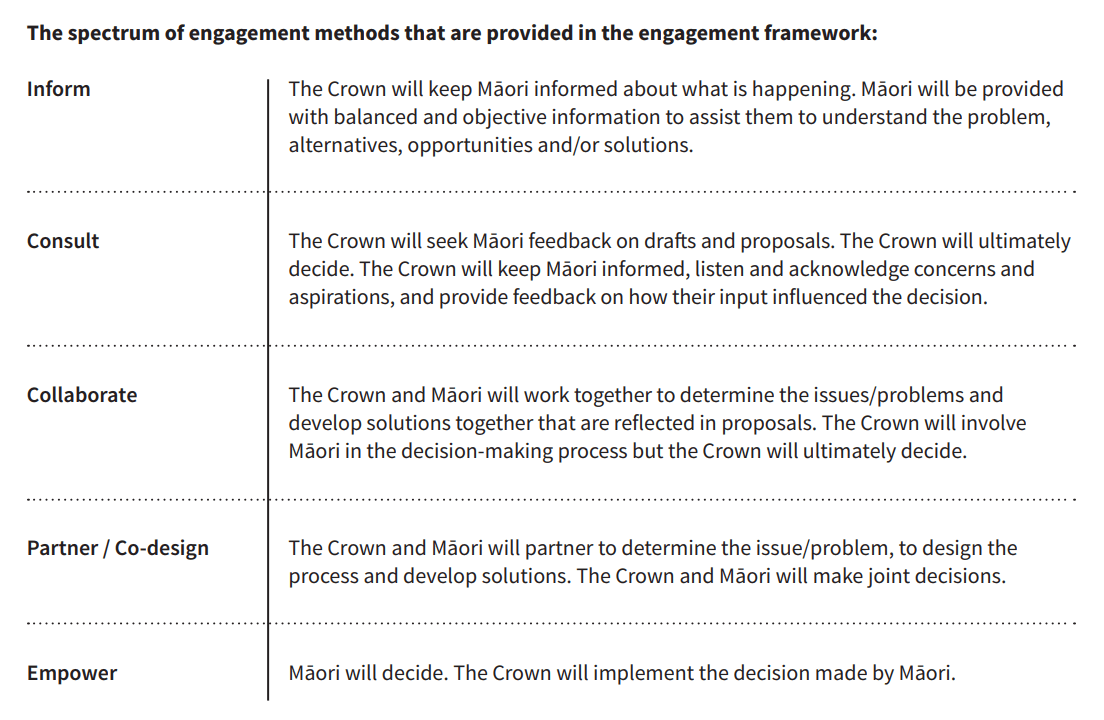
[Figure 8: Spectrum of Engagement Methods, Te Arawhiti 2018]
Preparation
Next week I will continue to be open to new ideas, but as I am entering the Te Whainga phase, I will focus more on digging deeper, researching and exploring tohu. I will consult relevant case studies, and develop prototypes to present for feedback. My key goal for next week will be to develop the content I will include on any interactive signage, so that I can start prototyping their physical form. I ensure that each step of my design process continues to align with kaitiaki principles, and include well researched cultural information. Where possible, I will consult experts to help me with cultural knowledge, being mindful of protected access and use of Māori data.
References:
Arnstein, S. R. (1969). A ladder of citizen participation. Journal of the American Planning Association, 35(4), 216–224. https://doi.org/10.1080/01944366908977225
Baron, G. (2020). Conservation challenge canvas. Design for Conservation. Available at https://www.design4conservation.com/conservation-challenge
Bassot, B. (2013). The Reflective Journal. Basingstoke: Palgrave
Placemaking Aotearoa. (2022, November). Ako Ako. Retrieved from https://www.placemaking.nz/ako-ako
Te Arawhiti. (2018, October). Engagement guidelines. Retrieved from https://tearawhiti.govt.nz/assets/Maori-Crown-Relations-Roopu/6b46d994f8/Engagement-Guidelines-1-Oct-18.pdf