
Week 3 Reflection
Week 3 – Defining the project scope
Current Project Status: Te Rapunga Phase (Venturing into the unknown)
Date: 4th August 2024
For this week’s reflection, I will use the four F’s of reviewing (Greenway, n.d.) to help me look back on my experiences, what they imply and how the future may look. I hope that this will allow me to learn about myself as a designer and grow from each experience.
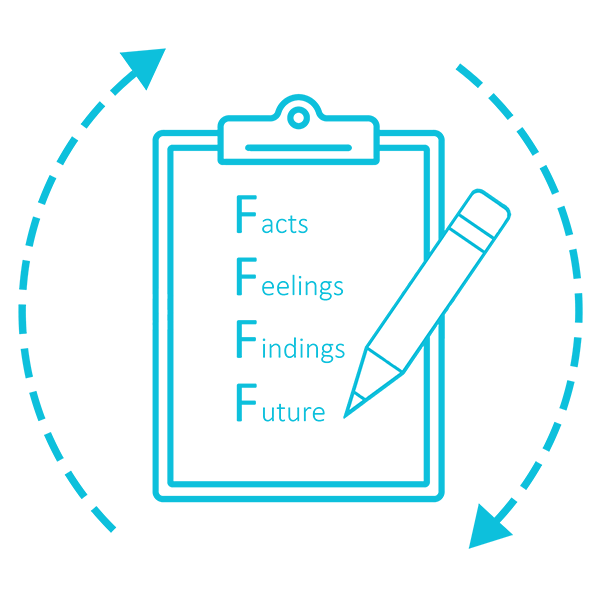
[Figure 1: Four F’s of active reviewing framework, Greenway, R., (n.d.)]
Facts:
This week, I had a lot of work to be completed in preparation for the upcoming assignment submission for Design 301. I prepared my project proposal slides, finished up my write-up of the ethics module, and filled in a few blank spots on my Miro board that needed to be completed before our submission. This included creating a Risks and Limits Matrix (Figure 2 below) with possible mitigation examples, and a Plan A, B and C (Figure 3 below) to define the scope of the project.
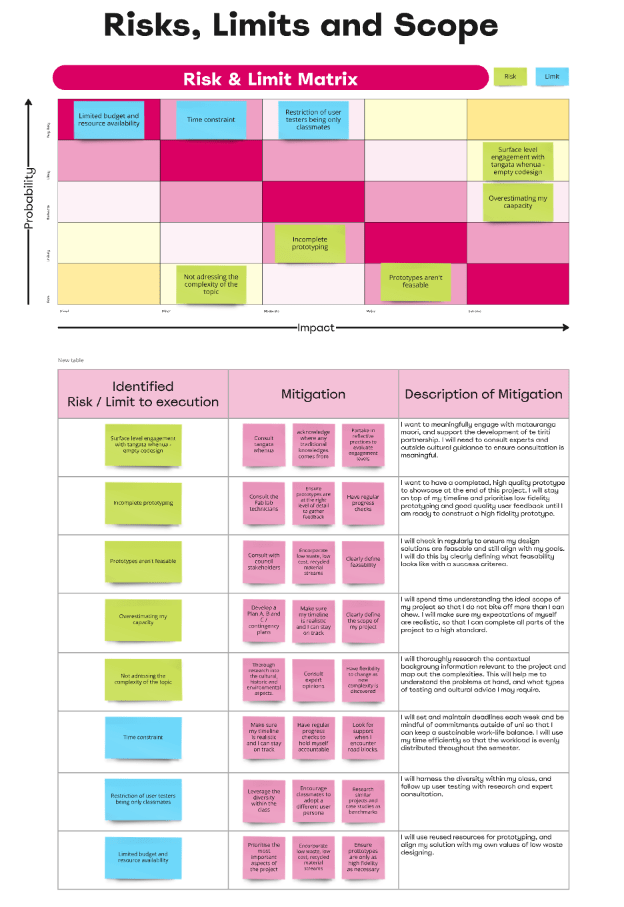
[Figure 2: Risks & Limits Matrix, from my Miro board]
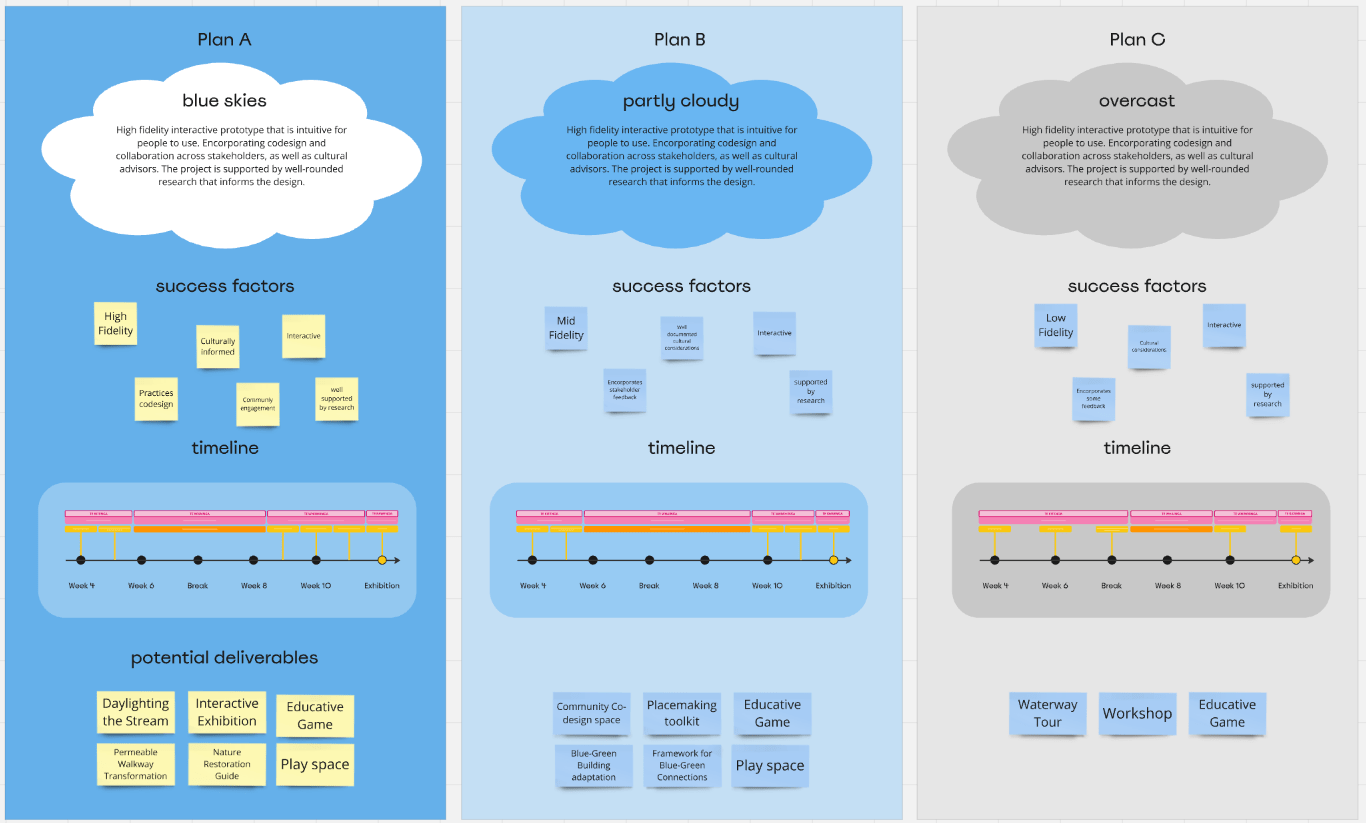
[Figure 3: Project scope defining plan A, B and C, from my Miro board]
I am now in the Te Rapunga phase of the Hautu Waka process. I talked with Sandra, an ecology expert who Xin organised to come and speak to us. She imparted a lot of knowledge about the Waipapa Stream to me. I shared some of my preliminary ideas of what to do in the space (Figures 4 and 5 below), and she recommended that I think more abstractly and steer more towards educating people about the ecological and cultural significance.
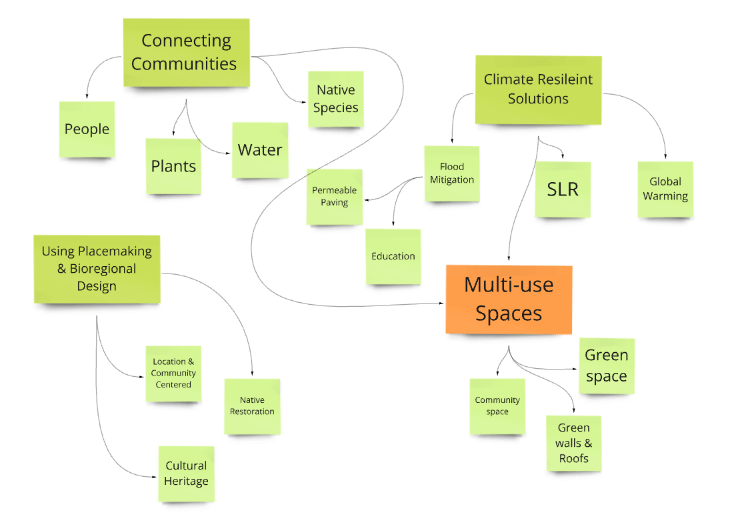
[Figure 4: Concept ideation, my Miro board]
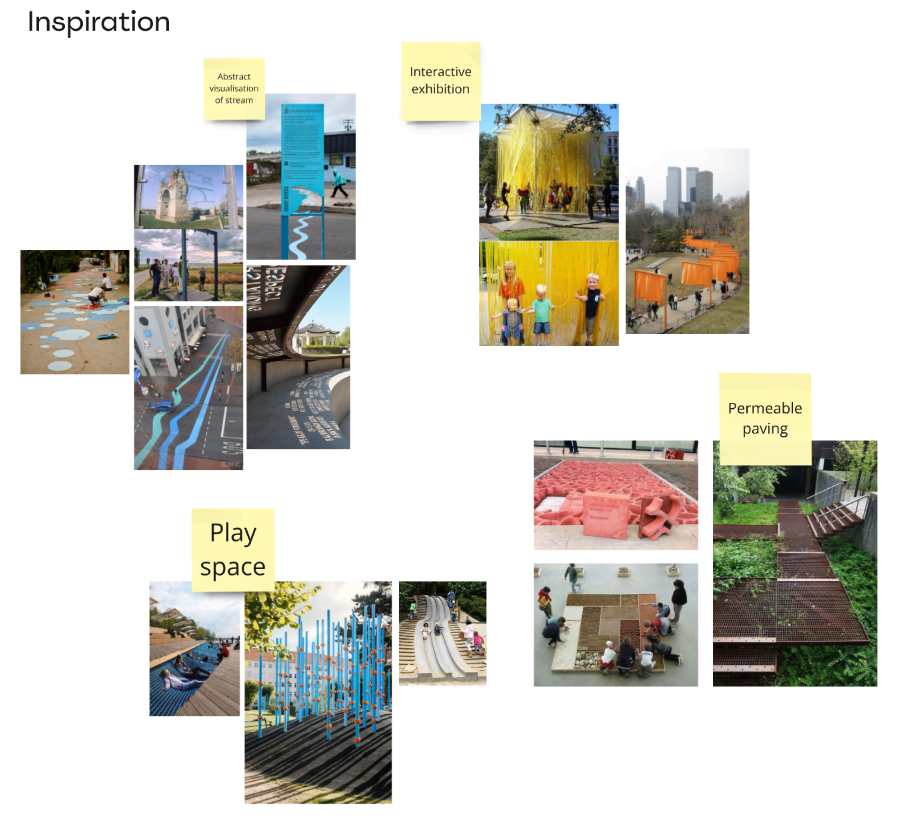
[Figure 5: Inspiration gathering, from my Miro board]
Feelings:
This week, I felt like my design process was slowed by trying to make my Miro board presentable and finishing up the ethics module. I know these things are important to the final project, but I found it frustrating to put my explorations on hold. Te Rapunga means I am venturing into the unknown, which is daunting yet exciting.
I had a really insightful conversation with Sandra, an ecology expert who Xin organised to come in and talk with us. It was exciting to chat with her about the Waipapa Stream and learn that she had once organised a walking tour around the catchment and was really passionate about the area. This conversation inspired me to dive into the history of the area and discover everything about the mana of the waterway that I could.
Findings:
Sandra had an interesting point around the universities responsibility to the stream. The University of Auckland Marae (Waipapa Marae) takes its name from the stream (University of Auckland | Waipapa Taumata Rau, 2013). This indicates an obligation of care that I think has been lacking thus far. I reflected that we should be giving back to the namesake and respecting and enhancing the mana of the Waipapa stream. It is a historic waterway that students from many faculties would be interested to learn about, but there is so little information on it.
Future:
Looking ahead, I will delve deeper into my research of the history of the stream and ideation of how I can introduce educative elements to the community in a way that benefits both people and the environment. To achieve this I will use the Conservation Challenge Canvas from the Design 4 Conservation toolkit (Baron, 2020). I will also research two key components of the project, which are the cultural significance of the site and the ecological significance, which includes the species biodiversity and the importance of natural waterways.
The last piece of feedback I was left with was to design something captivating, so I will keep that in mind 🙂
References:
Baron, G. (2020). Conservation challenge canvas. Design for Conservation. Available at https://www.design4conservation.com/conservation-challenge
Greenaway, R. (n.d.). The four F’s of active reviewing. Retrieved from https://reviewing.co.uk/articles/four-ways-to-review.htm
University of Auckland | Waipapa Taumata Rau. (2013, May 6). History of The University of Auckland’s Waipapa Marae [Video]. YouTube. https://www.youtube.com/watch?v=n2n1yK-ixZ4